

Semax (10 mg): Research Overview and Laboratory Information (USA)
Semax (10 mg) is a synthetic neuropeptide analog derived from the adrenocorticotropic hormone (ACTH) fragment. It has been widely studied in neuroscience and molecular biology research for its potential role in cognitive signaling pathways, neuroprotection mechanisms, and brain-derived neurotrophic factor (BDNF) modulation in controlled laboratory environments.
Researchers in the United States and globally continue to investigate Semax as part of broader studies on neuropeptide activity, cognitive performance pathways, and central nervous system signaling. Due to its unique structure and stability, Semax is frequently included in experimental models focused on neurological regulation and brain signaling processes.
This compound is intended strictly for laboratory and scientific research use only and is not approved for human consumption or medical treatment.
What Is Semax?
Semax is a synthetic peptide developed from a fragment of the ACTH hormone, modified to enhance stability and biological activity in research settings. It is primarily studied for its interaction with neurological pathways and its potential influence on brain signaling mechanisms.
In laboratory research, Semax is commonly investigated for:
- Neurotransmitter signaling pathway studies
- Cognitive function and memory-related research models
- Brain-derived neurotrophic factor (BDNF) expression research
- Neuroprotection and cellular resilience studies
- Central nervous system communication pathways
- Oxidative stress response in neural cells
Because of its structure and stability, Semax is widely used in experimental neuroscience research focused on peptide-based brain signaling.
Scientific Applications of Semax
Semax is used exclusively in controlled laboratory environments for research purposes. It is not intended for human or veterinary use outside approved scientific protocols.
Key research applications include:
- Neurocognitive pathway modeling
- Brain plasticity and synaptic activity studies
- Neurochemical signaling research
- Stress-response pathway investigations
- Cellular protection and repair mechanism studies
- Peptide receptor interaction analysis
Researchers utilize Semax to better understand how neuropeptides influence brain function, cognition-related pathways, and cellular communication systems in the central nervous system.
Why Semax Is Studied in Neuroscience Research
has gained significant attention in neuroscience research due to its potential influence on brain-derived neurotrophic factor (BDNF) and neurotransmitter systems.
Researchers often study Semax in relation to:
- Cognitive performance signaling pathways
- Neuroplasticity and synaptic regulation
- Dopamine and serotonin system modulation
- Stress adaptation and neurological response models
- Learning and memory mechanism research
Its unique peptide structure makes it a valuable tool in experimental neurobiology.
Mechanism of Action (Research Context)
In laboratory studies, Semax is believed to influence brain function through modulation of neurotrophic factors and neurotransmitter systems. It is commonly studied for its potential impact on gene expression related to neural growth and adaptation.
Key research observations include:
- Interaction with melanocortin-related receptor pathways
- Modulation of BDNF expression in neural tissues
- Influence on dopamine and serotonin signaling systems
- Regulation of oxidative stress responses in brain cells
- Support of neuroprotective signaling pathways
These mechanisms are evaluated strictly in controlled research environments to understand neurological signaling behavior.
Laboratory Handling and Storage
(10 mg) should be handled according to standard peptide research protocols to ensure stability and integrity during experimental use.
Recommended handling guidelines include:
- Store in a cool, dry environment
- Avoid exposure to direct sunlight or heat
- Maintain sterile laboratory conditions
- Use appropriate research-grade equipment
- Prevent contamination during handling and preparation
Proper storage is essential to maintain peptide quality in scientific research applications.
Research Quality Standards
In laboratory environments, researchers prioritize:
- Verified peptide purity and composition
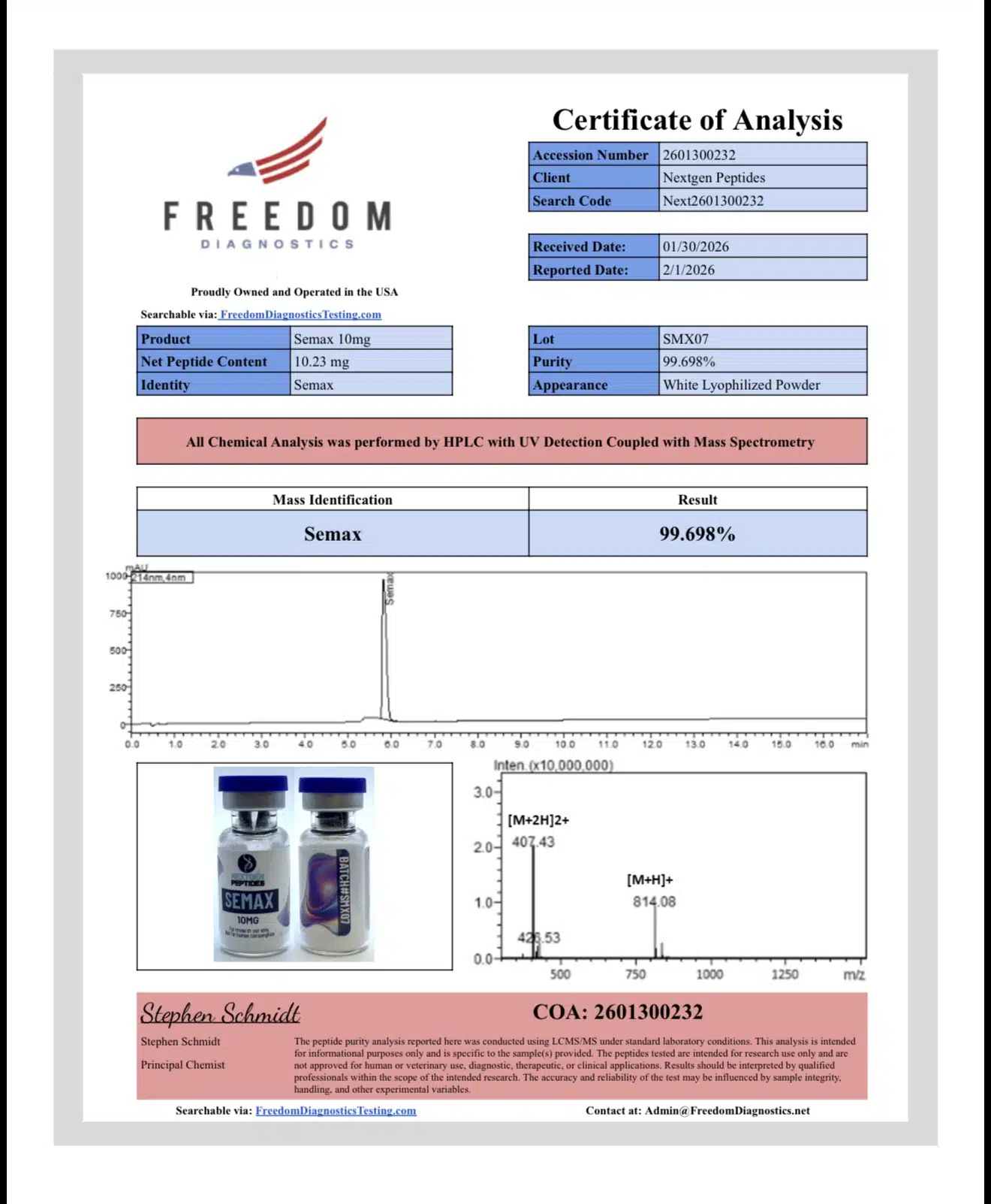
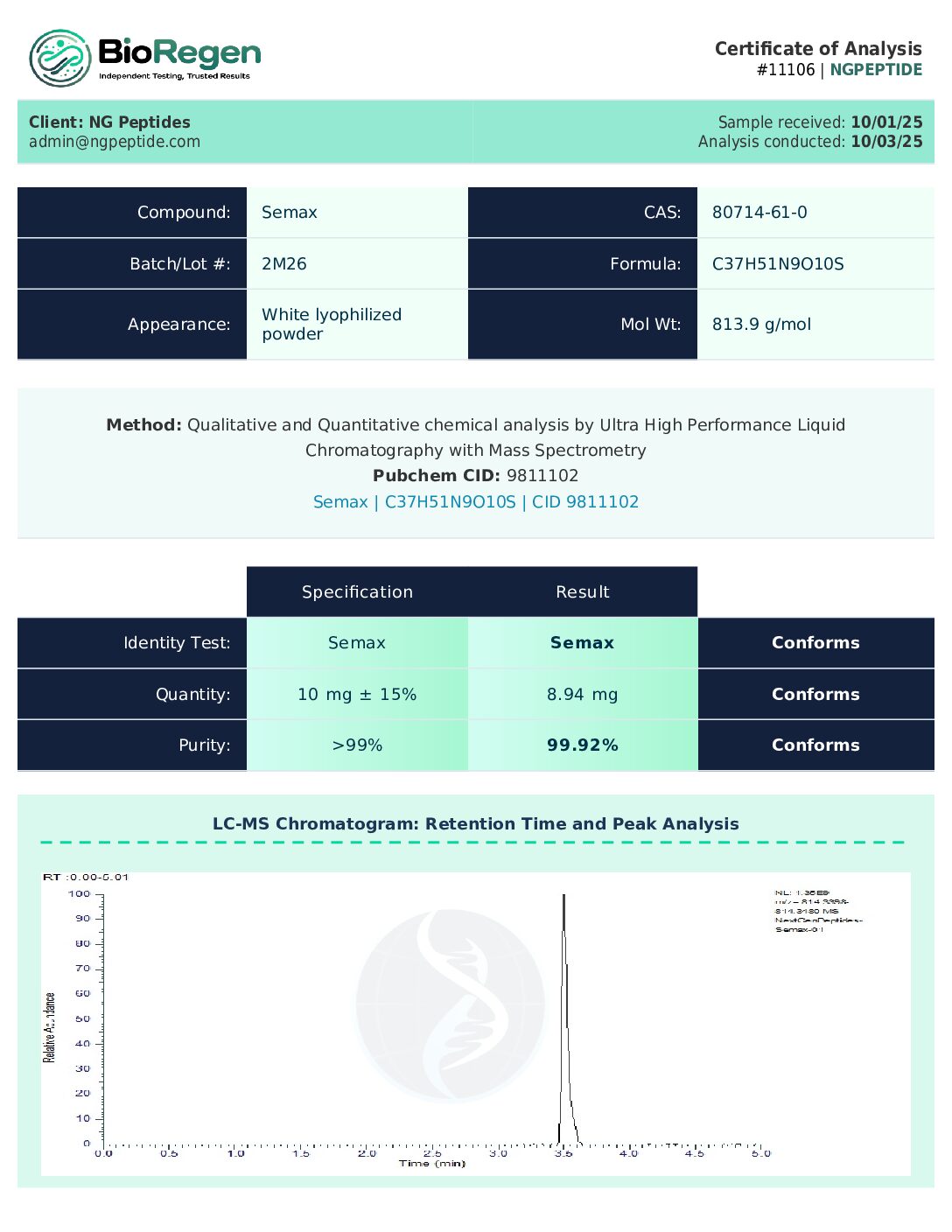
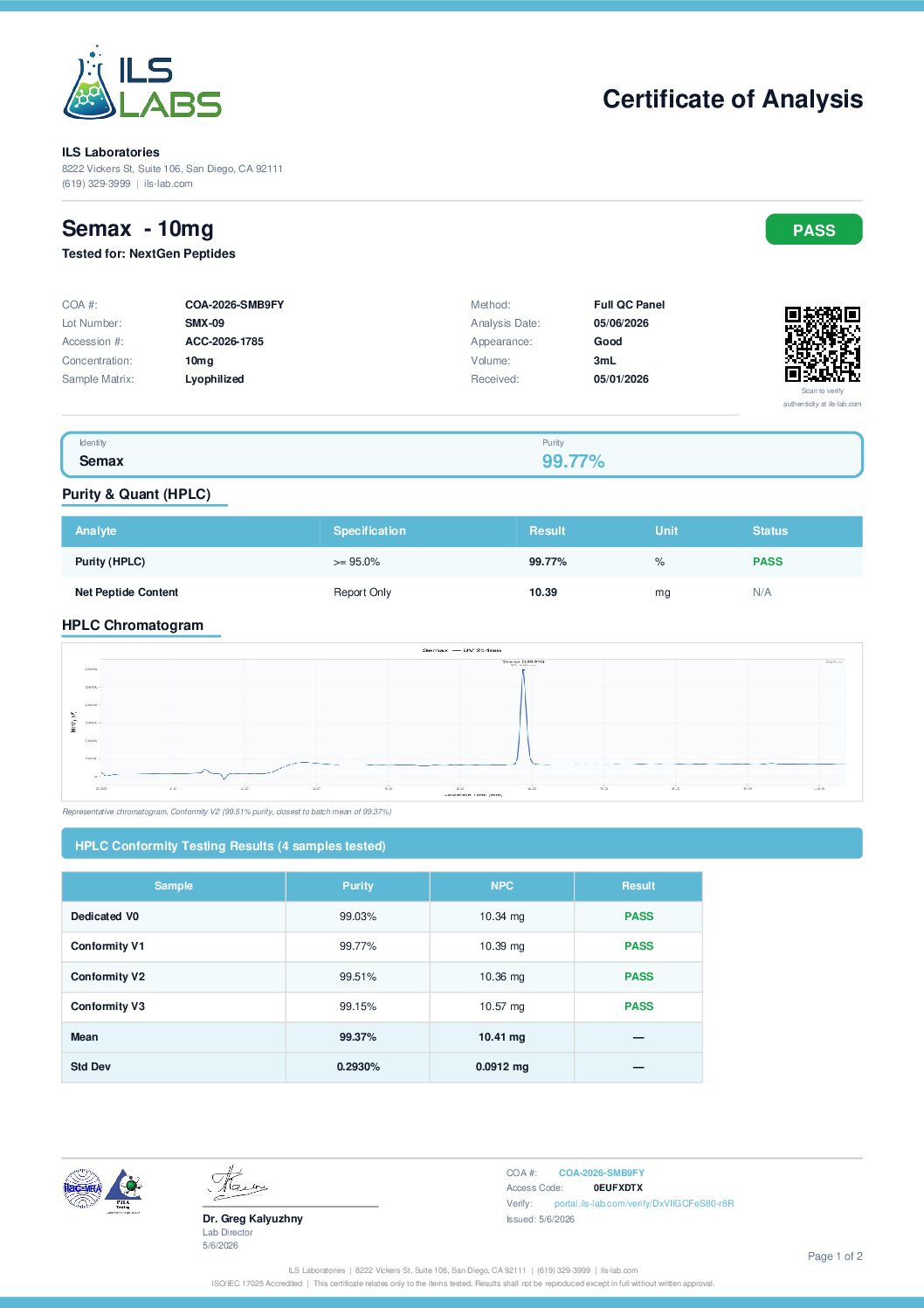
- Third-party analytical testing (COA documentation)
- Batch-to-batch consistency for reproducible studies
- Controlled synthesis and manufacturing processes
- Secure handling and distribution standards
These standards are essential for ensuring reliable and repeatable research outcomes.
Regulatory Notice
is intended strictly for laboratory and scientific research purposes only. It is not approved by the FDA for medical use, human consumption, or therapeutic application.
All content provided here is for educational and research reference only and should be interpreted within the context of controlled scientific study.
Summary
(10 mg) is a synthetic neuropeptide widely studied in neuroscience and molecular biology research for its potential role in cognitive signaling, neuroprotection, and brain-derived neurotrophic factor modulation. Its unique peptide structure makes it a valuable tool in experimental studies focused on brain function, neuroplasticity, and cellular communication pathways.
Ongoing research continues to explore its role in neurological signaling systems and cognitive pathway modeling within controlled laboratory environments.



Reviews
There are no reviews yet.