
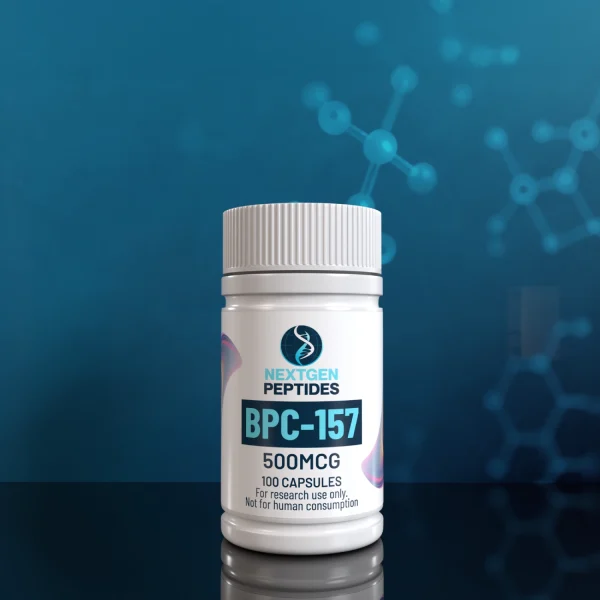
BPC Capsules (Research Overview): Laboratory Information and Scientific Profile (USA)
BPC capsules are associated with research involving Body Protection Compound (BPC) peptides, most commonly BPC-157, which is widely studied in molecular biology, gastrointestinal research, and regenerative science. In laboratory environments, oral peptide delivery models are often explored to understand stability, absorption pathways, and biological signaling effects in experimental systems.
Researchers in the United States and globally continue to investigate BPC-related compounds in controlled laboratory settings to better understand their role in tissue repair signaling, digestive system communication, and cellular regeneration pathways.
This product category is strictly intended for laboratory and scientific research use only and is not approved for human consumption, medical treatment, or therapeutic application.
What Are BPC Capsules in Research Context?
In scientific research terminology, BPC capsules refer to oral delivery formats used in experimental studies involving BPC-related peptides. These studies typically focus on peptide stability, gastrointestinal interaction, and systemic signaling behavior in controlled models.
In laboratory research, BPC capsule models are commonly studied for:
- Gastrointestinal peptide stability and degradation pathways
- Tissue repair signaling mechanisms
- Digestive system communication models
- Cellular regeneration and migration studies
- Inflammation-related biological pathways
- Peptide absorption and bioavailability research
Researchers use capsule-based models to evaluate how peptides behave in digestive environments and how they may interact with biological systems.
Scientific and Research Applications
BPC capsule research is conducted exclusively in controlled laboratory environments for experimental purposes. These studies help scientists understand how peptides function in biological systems when exposed to digestive processes.
Key research applications include:
- Gastrointestinal tract peptide interaction studies
- Tissue regeneration and repair pathway modeling
- Cellular healing and migration research
- Inflammatory response system analysis
- Digestive enzyme interaction studies
- Peptide transport and stability research
These applications are part of broader peptide science investigations focused on biological repair systems.
Why BPC Capsules Are Studied
BPC capsule research is of interest due to the unique challenges of oral peptide delivery and its potential interaction with gastrointestinal biological systems.
Researchers often study BPC capsules in relation to:
- Oral peptide stability in digestive environments
- Gut barrier interaction and signaling pathways
- Tissue repair communication systems
- Inflammation and mucosal response models
- Cellular regeneration in gastrointestinal research
This makes capsule-based studies important in peptide pharmacology and digestive system research.
Mechanism of Action (Research Context)
In laboratory models, BPC-related peptides are studied for their potential influence on cellular repair signaling pathways and gastrointestinal communication systems. Capsule delivery forms are specifically used to evaluate how peptides behave in enzymatic and acidic environments.
Key research observations include:
- Interaction with gastrointestinal enzymes and pH conditions
- Modulation of tissue repair signaling pathways
- Influence on cellular migration and regeneration processes
- Communication between gut tissues and peptide signaling systems
- Potential involvement in inflammatory response regulation
These mechanisms are strictly studied in controlled scientific environments and are not confirmed for clinical use.
Why BPC Capsule Research Is Popular
BPC capsule research continues to grow in interest due to the increasing focus on gastrointestinal health, peptide stability, and regenerative biology systems.
Researchers frequently explore BPC capsules in relation to:
- Digestive system peptide delivery models
- Gut barrier integrity and function studies
- Tissue repair and regeneration research
- Inflammation-related gastrointestinal pathways
- Cellular communication and healing models
Its relevance in oral peptide research makes it a valuable subject in experimental biotechnology.
BPC Capsules vs Other Delivery Models
BPC capsule research is often compared with other peptide delivery methods in scientific studies.
Capsule-Based Delivery Models
- Focus on digestive stability and breakdown
- Interaction with gastrointestinal enzymes
- Oral absorption pathway modeling
- Gut-specific biological response studies
Injectable or Direct Models
- Bypass digestive system
- Direct systemic exposure
- Different bioavailability research pathways
- Faster biological interaction models
This comparison helps researchers understand how delivery methods affect peptide behavior.
Scientific Research Context
BPC capsule studies are part of a broader category of peptide research focused on regenerative medicine, gastrointestinal biology, and molecular signaling systems.
Areas of scientific interest include:
- Gastrointestinal peptide interaction systems
- Tissue regeneration and repair biology
- Cellular migration and healing pathways
- Inflammatory response modulation research
- Gut-brain axis communication studies
- Peptide stability and bioavailability research
Ongoing research continues to explore how peptides behave under different delivery conditions.
Laboratory Handling and Storage
Proper handling is essential to maintain research consistency and sample integrity.
Recommended guidelines include:
- Store in a cool, dry environment
- Avoid exposure to heat and sunlight
- Maintain sterile laboratory conditions
- Use research-grade handling equipment
- Prevent contamination during preparation
- Follow standard peptide storage protocols
These practices help ensure reliability in laboratory research environments.
Research Quality Standards
In scientific supply environments, consistency and verification are critical for reproducible results.
Key quality standards include:
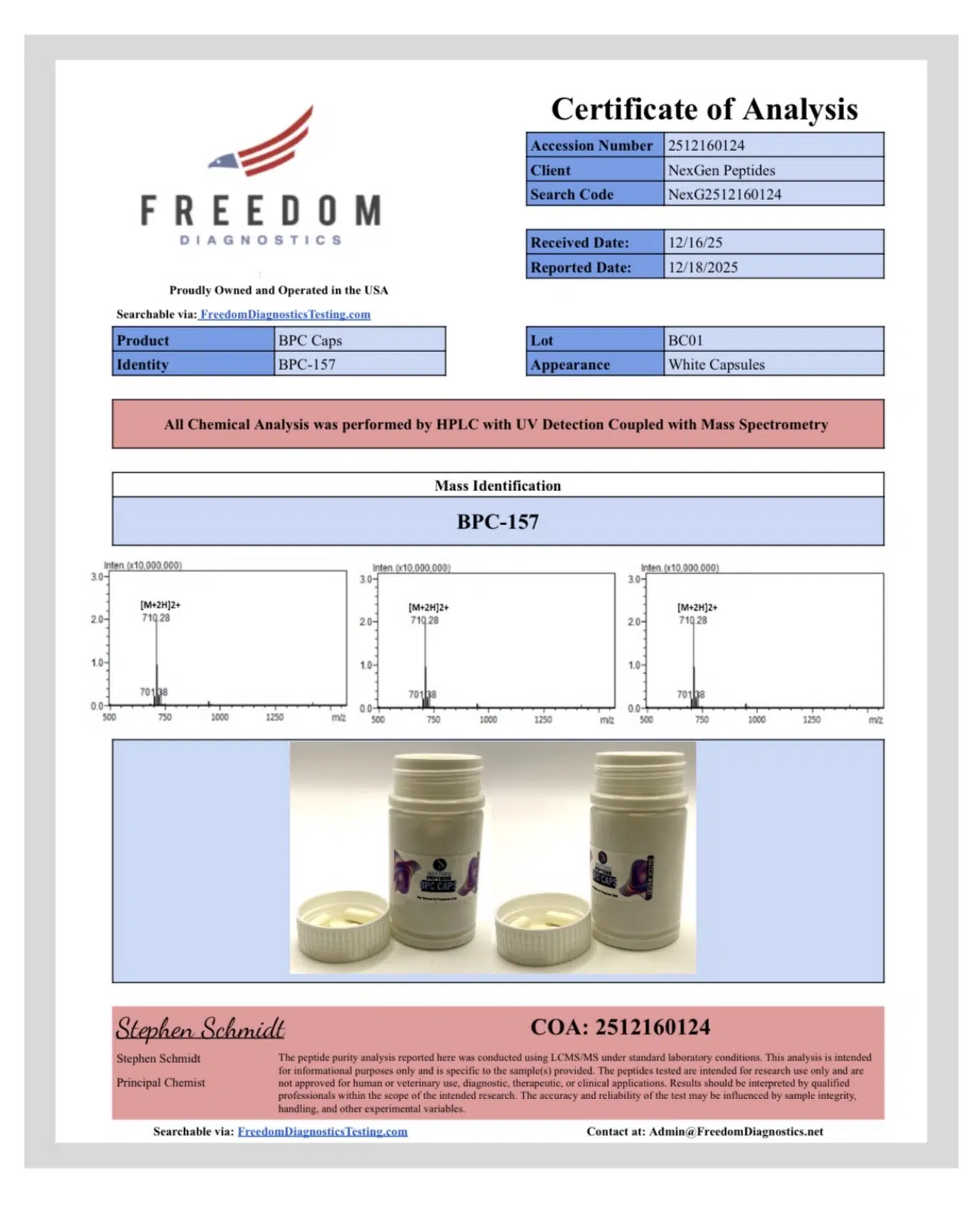
- Verified peptide purity and composition analysis
- Third-party COA documentation
- Batch-to-batch consistency for research reliability
- Controlled manufacturing processes
- Secure and compliant distribution systems
These standards ensure accuracy and reproducibility in peptide research studies.
Regulatory Notice
BPC capsules are intended strictly for laboratory and scientific research purposes only. They are not approved by the FDA for human consumption, medical treatment, or therapeutic use.
All information provided is for educational and research reference within controlled laboratory environments.
Summary
BPC capsules, in research contexts, are used to study peptide behavior in gastrointestinal environments, tissue repair pathways, and cellular signaling systems. Their role in oral peptide stability and digestive system interaction makes them an important subject in regenerative biology and peptide science.
Ongoing scientific investigation continues to explore their effects on gastrointestinal signaling, tissue regeneration models, and cellular communication pathways in controlled laboratory settings.


Reviews
There are no reviews yet.