
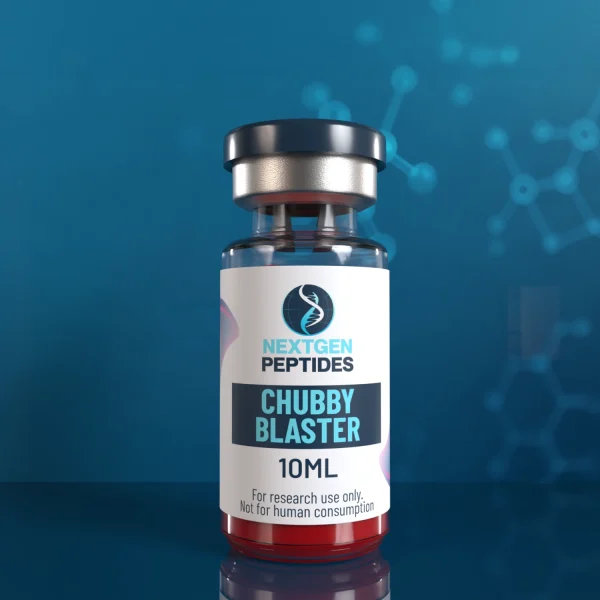
FB Chubby Claster: Research Overview and Laboratory Information (USA)
Chubby Claster (also referenced in some research contexts as a metabolic or body composition–related compound cluster) is a term used to describe experimental combinations of bioactive molecules studied in metabolic science, adipose tissue regulation research, and cellular energy balance systems. While the naming convention varies across research environments, the general focus of “claster” formulations is to explore how multiple biochemical pathways interact in fat metabolism, energy utilization, and cellular signaling processes.
In laboratory and scientific research environments, compounds grouped under metabolic “clusters” are often investigated for their influence on lipid metabolism, mitochondrial efficiency, and adipocyte signaling pathways. Researchers in the United States and globally continue to explore these systems in controlled studies focused on body composition biology and metabolic regulation.
This material is strictly intended for laboratory and scientific research use only and is not approved for human consumption, medical treatment, or therapeutic application.
What Is Chubby Claster (Research Context)?
In scientific terminology, a “claster” typically refers to a combination or grouping of compounds studied together to observe synergistic or multi-pathway biological effects. In metabolic research contexts, Chubby Claster is associated with experimental studies examining fat metabolism regulation, energy homeostasis, and adipose tissue signaling.
In laboratory research, metabolic clusters like Chubby Claster are commonly studied for:
- Adipocyte (fat cell) metabolism and signaling pathways
- Lipid breakdown and synthesis regulation models
- Energy expenditure and mitochondrial activity research
- Hormonal influence on metabolic balance systems
- Insulin sensitivity and glucose metabolism studies
- Cellular energy utilization and storage pathways
These studies help researchers understand how multiple metabolic pathways interact in complex biological systems.
FB
Scientific and Research Applications
Chubby Claster–type research formulations are used exclusively in controlled laboratory environments for experimental studies. These combinations are not intended for clinical or therapeutic use outside regulated scientific research.
Key research applications include:
- Fat metabolism and lipid regulation research
- Adipose tissue biology and cellular function studies
- Energy balance and metabolic rate modeling
- Mitochondrial efficiency and ATP production research
- Endocrine-metabolic interaction studies
- Cellular signaling and nutrient utilization research
Researchers use metabolic clusters to evaluate how multiple pathways influence energy storage and expenditure at the cellular level.
Why Metabolic Clusters Are Studied
Metabolic research clusters like Chubby Claster are studied due to the complexity of human energy regulation systems. Instead of focusing on a single pathway, researchers examine how multiple biochemical signals interact simultaneously.
Researchers often study these systems in relation to:
- Obesity and adipose tissue biology models (experimental)
- Energy expenditure and caloric utilization systems
- Hormonal regulation of fat storage and breakdown
- Cellular metabolic flexibility and adaptation
- Insulin signaling and glucose regulation pathways
This multi-pathway approach helps provide a broader understanding of metabolic function.
Mechanism of Action (Research Context)
In laboratory models, metabolic clusters are studied for their combined effects on biochemical pathways related to fat metabolism, energy production, and cellular signaling. The exact mechanisms depend on the specific components included in the research formulation.
Key observed research areas include:
- Regulation of adipocyte lipid storage and breakdown
- Modulation of mitochondrial energy production pathways
- Influence on hormonal signaling related to metabolism
- Interaction with glucose uptake and insulin signaling systems
- Cellular energy allocation and metabolic switching mechanisms
These mechanisms are strictly studied in controlled scientific environments and are not confirmed for clinical use.
Why Chubby Claster Research Is Popular
Metabolic cluster research continues to grow in interest due to increasing focus on obesity biology, energy regulation, and metabolic health science.
Researchers frequently explore these systems in relation to:
- Body composition and adipose tissue regulation studies
- Metabolic syndrome and energy imbalance models
- Mitochondrial dysfunction and energy efficiency research
- Hormonal control of fat storage and utilization
- Cellular adaptation to energy availability
This makes metabolic cluster studies highly relevant in modern biochemical research.
Metabolic Clusters vs Single-Pathway Compounds
Chubby Claster–type research differs from single-compound studies by focusing on multiple interacting biological systems.
Metabolic Clusters (Multi-Compound Research Models)
- Study multiple pathways simultaneously
- Focus on system-wide metabolic interaction
- Evaluate synergistic biological effects
- Useful in complex metabolic modeling
Single-Compound Research Models
- Focus on one biochemical pathway
- More isolated mechanistic studies
- Easier to define specific molecular action
- Limited system-wide interaction analysis
This distinction makes cluster-based research valuable for understanding complex metabolic systems.
Scientific Research Context
Chubby Claster–type formulations are part of broader metabolic science research involving energy regulation, lipid metabolism, and cellular biology.
Areas of scientific interest include:
- Adipose tissue biology and fat metabolism
- Mitochondrial energy production systems
- Hormonal regulation of metabolic pathways
- Cellular energy storage and utilization mechanisms
- Nutrient sensing and metabolic signaling networks
- Obesity and metabolic disorder research models
Ongoing research continues to explore how multiple metabolic pathways interact within biological systems.
Laboratory Handling and Storage
Proper handling is essential to maintain stability and reliability in research environments.
Recommended guidelines include:
- Store in a cool, dry environment
- Avoid exposure to heat and direct sunlight
- Maintain sterile laboratory conditions
- Use research-grade handling equipment
- Prevent contamination during preparation
- Follow standard laboratory storage protocols
These practices ensure consistency in experimental research outcomes.
Research Quality Standards
In laboratory supply environments, consistency and verification are critical for reproducible results.
Key quality standards include:
- Verified compound composition and purity analysis
- Third-party COA documentation
- Batch-to-batch consistency for research reliability
- Controlled manufacturing processes
- Secure and compliant distribution systems
These standards ensure accuracy and reproducibility in metabolic research studies.
Regulatory Notice
Chubby Claster is intended strictly for laboratory and scientific research purposes only. It is not approved by the FDA for human consumption, medical treatment, or therapeutic use.
All information provided is for educational and research reference within controlled laboratory environments.
Summary
Chubby Claster, in a research context, refers to metabolic cluster-based experimental formulations studied for their role in fat metabolism, energy balance, and cellular signaling systems. These multi-pathway models help researchers understand how adipose tissue, mitochondrial function, and hormonal regulation interact in complex biological systems.
Ongoing scientific investigation continues to explore metabolic cluster behavior in controlled laboratory environments, contributing to a broader understanding of energy regulation and body composition biology.

Reviews
There are no reviews yet.