
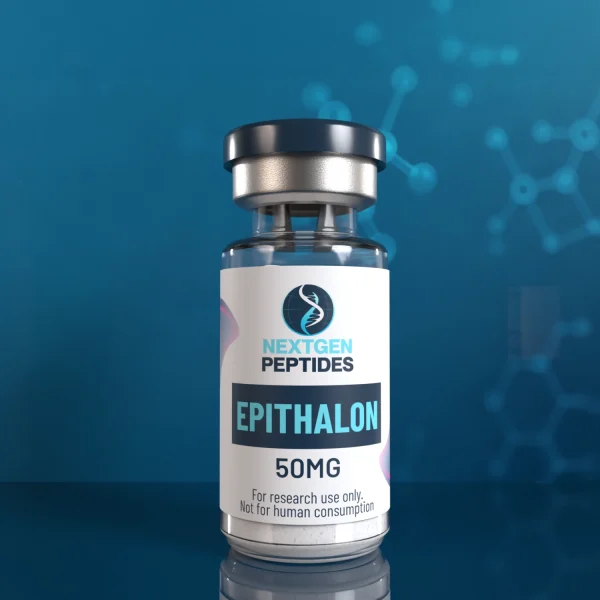
Epithalon (Epitalon): Research Overview and Laboratory Information (USA)
Epithalon, also known as Epitalon, is a synthetic tetrapeptide widely studied in aging biology, molecular genetics, and cellular longevity research. It is derived from the naturally occurring pineal peptide epithalamin and has been the subject of scientific investigation for its potential role in telomere regulation, circadian rhythm biology, and cellular aging pathways.
In laboratory and research environments, Epithalon is primarily examined for its influence on telomerase activity, genetic stability, and endocrine signaling systems. Researchers in the United States and globally continue to explore Epithalon as part of broader studies on aging mechanisms, cellular regeneration, and longevity science.
This compound is strictly intended for laboratory and scientific research use only and is not approved for human consumption, medical treatment, or therapeutic application.
What Is Epithalon?
Epithalon is a synthetic peptide composed of four amino acids (Ala-Glu-Asp-Gly). It is structurally related to epithalamin, a natural extract from the pineal gland. It has been studied extensively in aging research due to its potential interaction with telomerase activity and cellular lifespan regulation mechanisms.
In laboratory research, Epithalon is commonly studied for:
- Telomerase activity and telomere length regulation
- Cellular aging and senescence pathway research
- Circadian rhythm and pineal gland signaling systems
- DNA stability and genetic repair mechanisms
- Endocrine system regulation and melatonin-related pathways
- Oxidative stress and cellular protection systems
Because of its association with aging and cellular longevity, Epithalon is widely used in gerontology and molecular biology research.
Scientific and Research Applications
Epithalon is used exclusively in controlled laboratory environments for experimental research purposes. It is not intended for clinical or therapeutic use outside regulated scientific studies.
Key research applications include:
- Telomere biology and chromosomal stability studies
- Aging and cellular senescence modeling
- DNA repair and genetic expression research
- Circadian rhythm and biological clock regulation
- Endocrine system and pineal gland function studies
- Oxidative stress and cellular protection mechanisms
Researchers use Epithalon to better understand how aging processes may be regulated at the molecular level.
Why Epithalon Is Studied
Epithalon has gained significant scientific interest due to its potential role in regulating telomerase activity and influencing cellular aging pathways.
Researchers often study Epithalon in relation to:
- Cellular lifespan and longevity research models
- Age-related decline in telomere length
- Circadian rhythm and sleep-wake cycle regulation
- Hormonal changes associated with aging
- Genetic stability and DNA repair systems
Its connection to aging biology makes it one of the most studied peptides in longevity science.
Mechanism of Action (Research Context)
In laboratory studies, Epithalon is believed to influence telomerase activity, which plays a key role in maintaining telomere length and chromosomal stability. It is also studied for its interaction with pineal gland signaling pathways and circadian rhythm regulation systems.
Key research observations include:
- Modulation of telomerase enzyme activity
- Support of telomere length maintenance mechanisms
- Regulation of circadian rhythm signaling pathways
- Influence on endocrine and melatonin-related systems
- Interaction with cellular aging and senescence pathways
These mechanisms are studied strictly in controlled scientific environments and are not confirmed for clinical use.
Why Epithalon Is Popular in Scientific Research
continues to attract strong interest in aging and longevity research due to its potential role in telomere regulation and cellular lifespan extension models.
Researchers frequently explore Epithalon in relation to:
- Anti-aging and longevity biology research
- Telomere shortening and cellular aging studies
- Circadian rhythm and sleep regulation systems
- DNA stability and genetic protection research
- Endocrine aging and hormonal balance studies
Its association with fundamental aging mechanisms makes it a key peptide in longevity science.
Epithalon vs Other Longevity Peptides
Epithalon is often compared with other aging-related peptides due to its focus on telomere and circadian regulation pathways.
(Epitalon)
- Focus on telomere and cellular aging pathways
- Regulates telomerase activity in research models
- Influences circadian rhythm and pineal signaling
- Strong focus on longevity biology systems
Other Longevity Peptides
- May focus on metabolic or mitochondrial pathways
- Often target oxidative stress or energy systems
- Less direct involvement in telomere regulation
This makes Epithalon unique in telomere and genetic stability research.
Scientific Research Context
is part of a broader category of anti-aging and molecular biology peptides studied in gerontology, genetics, and cellular physiology research.
Areas of scientific interest include:
- Telomere biology and chromosomal stability
- Cellular aging and senescence mechanisms
- DNA repair and genetic expression regulation
- Circadian rhythm and pineal gland function
- Hormonal changes associated with aging
- Oxidative stress and longevity pathways
Ongoing research continues to explore how Epithalon influences biological aging processes at the molecular level.
Laboratory Handling and Storage
Proper handling is essential to maintain stability and research integrity in laboratory environments.
Recommended guidelines include:
- Store in a cool, dry environment
- Avoid exposure to heat and sunlight
- Maintain sterile laboratory conditions
- Use research-grade handling equipment
- Prevent contamination during preparation
- Follow standard peptide storage protocols
These practices ensure reliability in scientific research applications.
Research Quality Standards
In laboratory supply environments, consistency and verification are critical for reproducible research outcomes.
Key quality standards include:
- Verified peptide purity and composition analysis
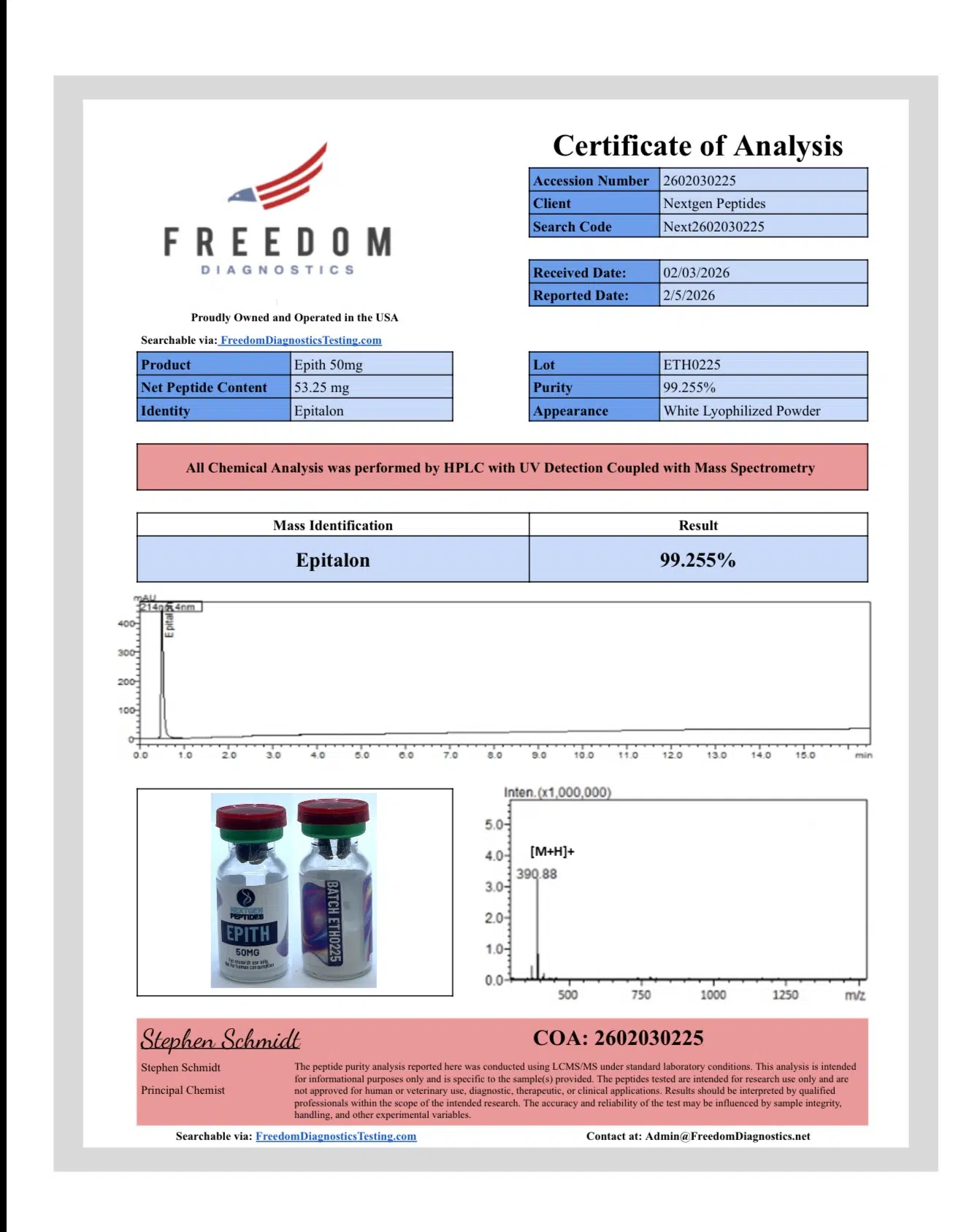
- Third-party COA documentation
- Batch-to-batch consistency for research reliability
- Controlled manufacturing processes
- Secure and compliant distribution systems
These standards ensure accuracy and reproducibility in aging biology research studies.
Regulatory Notice
is intended strictly for laboratory and scientific research purposes only. It is not approved by the FDA for human consumption, medical treatment, or therapeutic use.
All information provided is for educational and research reference within controlled laboratory environments.
Summary
(Epitalon) is a synthetic peptide widely studied in aging and longevity research for its potential role in telomerase activity, cellular lifespan regulation, and circadian rhythm biology. Its involvement in telomere maintenance and genetic stability makes it an important subject in anti-aging and molecular biology research.
Ongoing scientific investigation continues to explore its effects on cellular aging, DNA repair mechanisms, and biological rhythm regulation in controlled laboratory settings.



Reviews
There are no reviews yet.